

Air Jordan vs Regular Nike Kicks: Essential Contrasts Revealed
Step into any shoe store in 2026 and you’ll see Air Jordans sitting next to standard Nike shoes like the Air Force 1, Air Max, and Dunk — but despite operating under a corporate parent, these sneakers occupy fundamentally different worlds in terms of creative direction, cost, cultural significance, and consumer base. The misunderstanding is natural: Jordan Brand functions under the Nike umbrella, every Air Jordan uses Nike Air tech, and both brands share manufacturing infrastructure. Yet the differences are significant and deserve your attention, above all when determining where to put your money. Air Jordans command premium prices that can be double or triple equivalent Nike sneakers. This analysis explores the main divergences across brand DNA, aesthetics, innovation, cost structure, cultural weight, and resale behavior.
Brand Identity and Corporate Structure
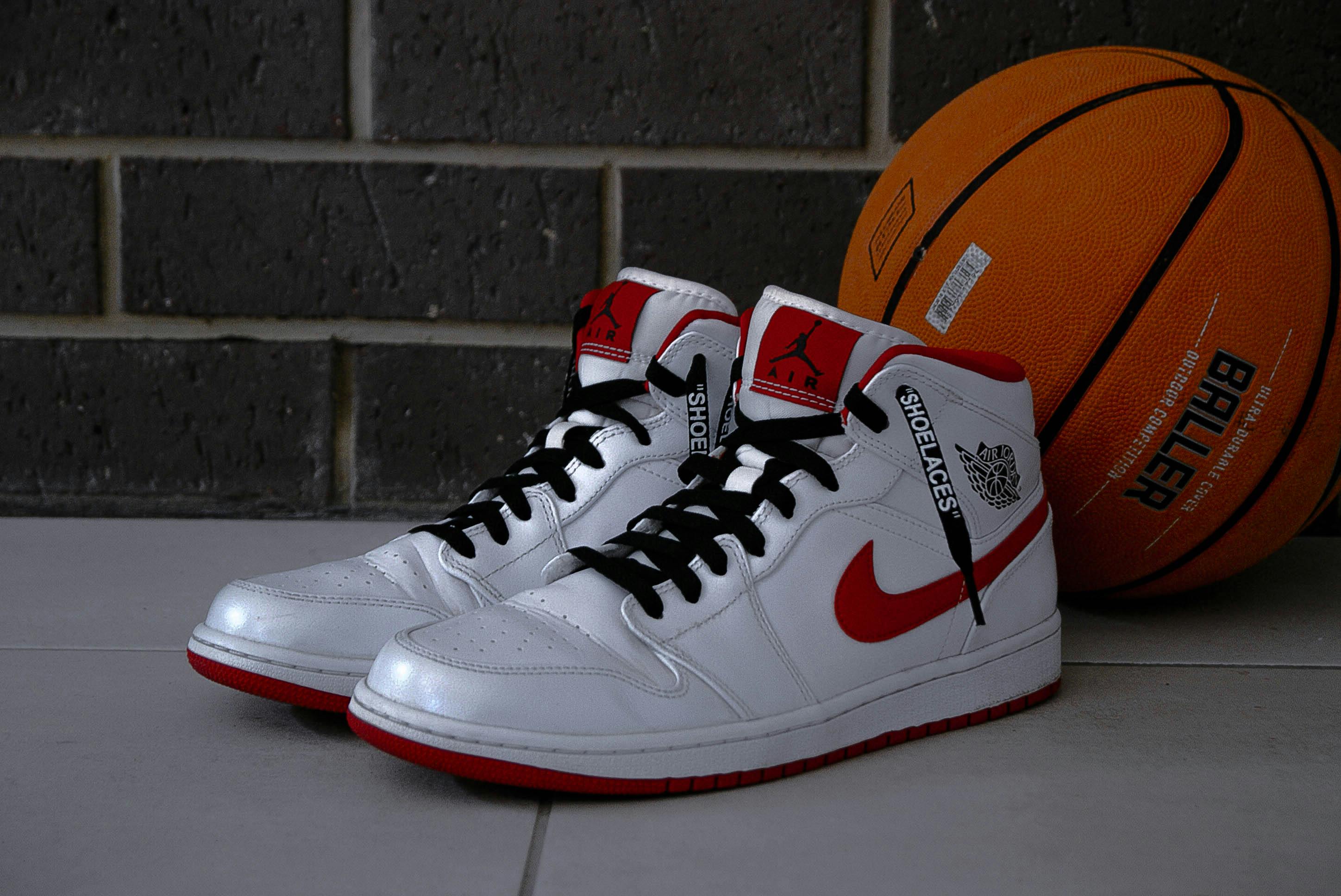
Jordan Brand functions as a sub-brand of Nike, Inc., but behaves with considerable independence impacting creative output, advertising, and distribution channels. Nike acquired exclusive licensing to Michael Jordan’s name and image in 1984 with a five-year, $2.5 million contract that has since evolved into a relationship valued at an estimated $150 million annually in payments to Jordan himself. In 1997, Nike officially spun the Jordan brand into its own label with a standalone creative team, marketing department, and brand CEO — as of now Craig Williams, who directs a portfolio that generated approximately $6.6 billion in income during fiscal year 2025. Regular Nike sneakers sit under the broader Sportswear and Basketball departments, sharing budgets and brand value across dozens of product lines from track to fitness to casual. The Jumpman logo — silhouetted from a iconic photo of Jordan during the 1988 Slam Dunk Contest — is legally separate from the Nike Swoosh air jordan 4 collection and symbolizes a separate image that shoppers regard as more elite and elevated. This organizational setup means Jordan Brand controls distribution more tightly, constraining supply to maintain desirability in ways that the general Nike roster, with its mass-market mandate, usually doesn’t.
Design Philosophy and Aesthetics
The creative direction behind each brand contrasts fundamentally in inspiration and creative ambition. Every mainline Air Jordan shoe was created to reflect Michael Jordan’s character and passions — the Jordan 9 took cues from global motifs, the Jordan 15 from a military aircraft, the Jordan 33 from space travel. Nike’s standard product lines focus on versatility and broad appeal, resulting in enduring designs like the Air Force 1 and Air Max 90 that are understated rather than concept-heavy. Jordan Brand employs a tighter design team that outputs fewer shoes but invests more resources into each, creating stronger individual identities. Material choices on Jordans lean toward the unconventional — patent leather, elephant print, carbon fiber — while Nike lifestyle shoes favor established palettes. Collaboration strategies also diverge: Jordan collaborates with luxury brands like Dior and A Ma Maniére, while Nike partners more expansively across athletes and artists.
Technology and Performance
Both brands utilize Nike’s patented innovations, but implementation timelines diverge. Jordan court shoes often introduce innovations first — the Jordan 28 premiered a Flight Plate that later influenced Nike’s general catalog. Jordan’s performance line merges Zoom Air, React foam, and Formula 23 cushioning in unique arrangements. Standard Nike basketball models like the LeBron and KD lines employ the same foundational systems but are calibrated for different players’ body mechanics. For lifestyle and heritage releases, the distinction narrows — a retro Air Jordan 1 and an Air Force 1 both share simple encapsulated Air. Nike’s running division leads in cushioning innovation with ZoomX and Alphafly, systems not found in Jordan offerings since the brand doesn’t produce running shoes. The bottom line: for basketball, both brands provide competitive technology, but Jordan focuses innovation on a smaller product range.
| Feature | Air Jordan | Standard Nike |
|---|---|---|
| Typical Retail Price | $180–$250 | $90–$180 |
| Annual Revenue (2025) | ~$6.6 billion | ~$45 billion (total Nike) |
| Supply Model | Limited, controlled | Mass-market + limited |
| Brand Logo | Jumpman | Swoosh |
| Average Resale Value | 120–400% of retail | 80–150% of retail |
| Primary Audience | Collectors and enthusiasts, 18–40 | General consumer, all ages |
| Sport Categories | Hoops, Lifestyle, Golf | Running, Basketball, Training, Soccer, etc. |
Price and Value Analysis
The price difference is one of the first details buyers notice. In 2026, Jordan retros sell between $180 and $250, while comparable Nike lifestyle sneakers retail between $110 and $170 — a 40-60% markup for the Jordan name. This higher cost stems from premium components, more limited manufacturing, Jordan licensing expenses, and cultural status that commands willingness-to-pay. For performance basketball, the disparity is tighter — a Jordan Tatum 3 is priced around $130 while a Nike KD 17 is priced at $150. The cost-benefit analysis transforms considerably on the aftermarket, where limited Jordans routinely sell for 200-500% of MSRP while most Nike standard releases decline below retail within months. For straightforward function at a reasonable price, Nike presents greater cost efficiency; for social currency and aftermarket value, Jordans earn the higher cost.
Cultural Significance and Social Currency
The cultural capital of Air Jordans far outweighs any standard Nike product line. Jordans are tied to Michael Jordan’s heritage — six championships, five MVPs, ten scoring crowns — and every pair holds an built-in tie with the most celebrated athlete of the 20th century. In the music industry, Jordans have been mentioned in over 5,000 hip-hop tracks since 1985, compared to approximately 2,000 for all other Nike products combined. The sneaker resale industry, valued at over $10 billion in 2026, sources 35-40% of trading volume from Jordan products on platforms like StockX. Social channels tells a similar picture: Jordan drop announcements create 3-5 times more engagement than comparable Nike standard launches. Having on Jordans projects entry in a unique tribe and appreciation for athletic history that transcends the tangible item.
Aftermarket Behavior
The resale market is where the difference turns most measurable. Exclusive Jordans vanish within a matter of minutes and attract markups of 50-300% on secondary market platforms, while most Nike launches remain on shelves at or under retail for extended periods. StockX data shows the mean Jordan retro release maintains 120% of MSRP one year after launch, while the average Nike mainline shoe maintains only 75%. The most striking example: the Travis Scott x Air Jordan 1 Low “Reverse Mocha” hit $2,100 — roughly 1,400% of its $150 retail price. Even high-profile Nike partnerships like Off-White Dunks rarely exceed 500% of retail price. For sneakerheads regarding sneakers as investments, Jordans offer a persuasive case, though widely available models can fall below retail too.
What Label Should You Go With
The “right” pick depends entirely on your values, lifestyle, and budget — there is no universally correct answer, only the answer that suits what you personally seek in shoes. If you’re a basketball lover, sneakerhead, or someone who values cultural prestige and aftermarket value, Air Jordans offer a mix of legacy, rarity, and culture that general Nike sneakers can’t replicate at any cost. If you need comfy, versatile go-to shoes across various activity types and lifestyle needs with reduced pricing and wider access, Nike’s mainline catalog delivers excellent build quality without the higher prices or purchase difficulty linked to Jordan drops. Budget-conscious consumers can build impressive Nike rotations for the price of two or three Jordan retros, and Nike’s mainline models commonly use the same cushioning systems at substantially lower price points. The ideal approach for many sneakerheads in 2026 is a diversified lineup — holy-grail Jordans for special events alongside trusty Nike trainers and everyday kicks for daily use. Both brands benefit from Nike’s premium manufacturing, material sourcing, and QC, so neither option constitutes a waste of money in product quality. Recognizing that Air Jordan and Nike address different emotional and practical needs — rather than seeing them as the same thing — leads to better buying choices and a more rewarding sneaker collection on the whole.
Browse the collections at Jordan Brand and Nike.com.